Focal Length and Field of View: Why You Shouldn't Trust Telephoto Lens Photos
Translated from the Korean original. Read the original →
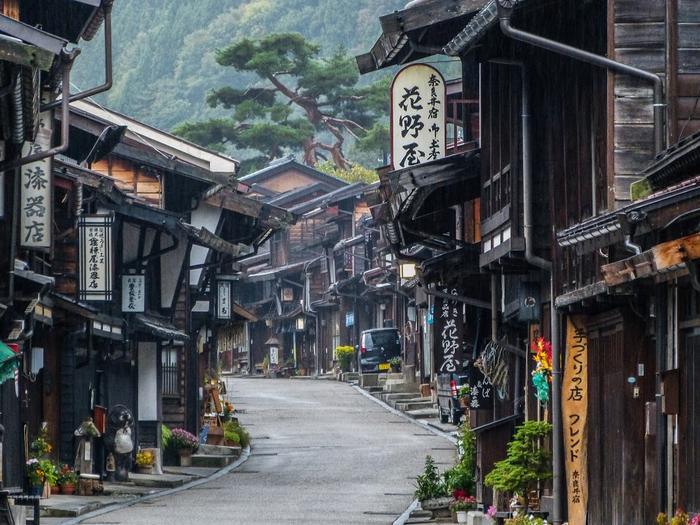
Kyoto, Japan
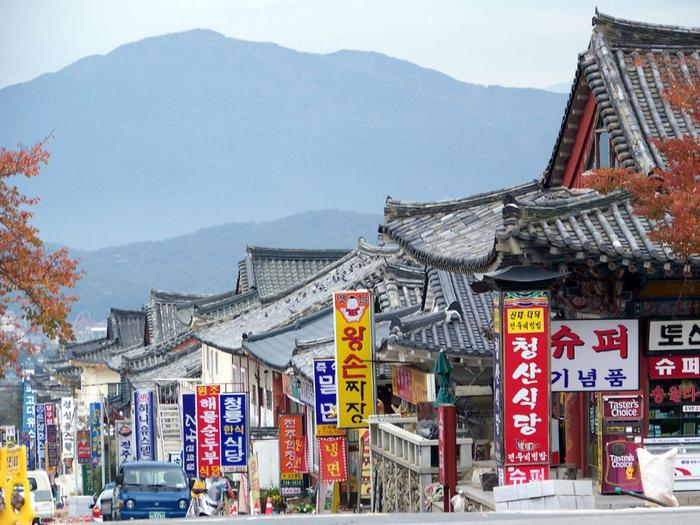
Gyeongju, Korea
Going by the photos alone, no wonder people complained... Sure, part of it is that Korean shop signs tend to use a lot of loud primary colors, but the Kyoto street (actually, the place in the photo is Nara) doesn't really look like that photo either. Here's the same spot shot with a wider field of view:
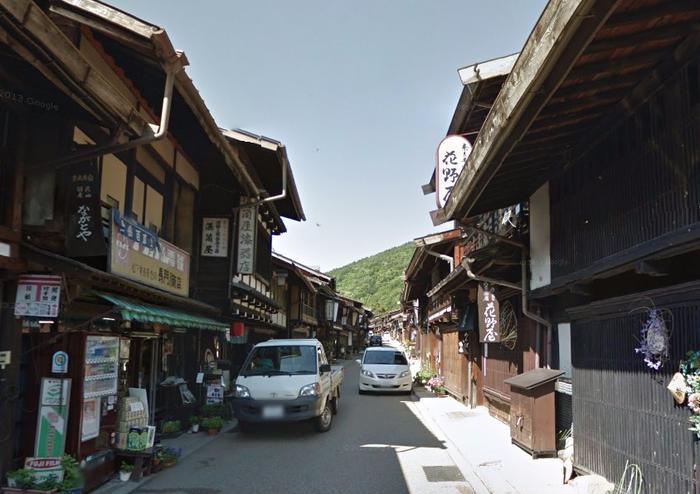
Kyoto, Japan
If you look at the signs, you can tell it's exactly the same place. You could never get that first Kyoto shot from inside the alley. To get that view, you have to stand at the entrance of the street and zoom in with a telephoto lens (and on top of that, drag yourself out of bed before dawn, wait until there are no cars or people, and put your heart into the shot as the sun comes up...). To explain why this happens, you need to understand focal length and field of view. Beginners, and I was one of them, often think a "telephoto lens" exists simply to make faraway things look bigger. That's because telephoto lenses are usually marketed with comparison photos like this one:
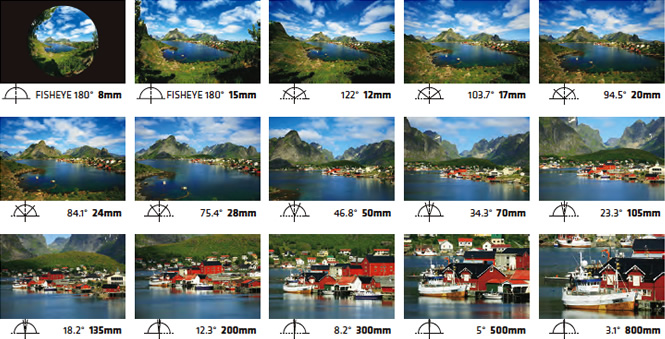
Source: http://www.sigma-imaging-uk.com/principles-of-the-lens
It's true that the longer the focal length, the bigger and sharper you can capture distant objects, but that's not the whole story. In practice, people often shoot from far away with a telephoto lens even when the subject is close enough, like this:
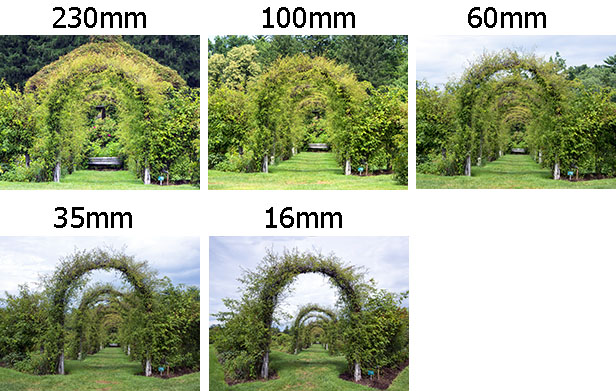
Source: an overseas site (no longer online)
The arch in the foreground is about the same size in all five photos, but the background looks completely different in each. As the comparison shows, when you step way back and zoom in with a telephoto lens (230mm), objects that are actually quite far apart get squeezed together until they look almost stuck to each other. This is called background compression. On the other hand, when you get up close with a 16mm wide-angle lens, objects that are only a little apart look much farther apart than they really are. Also, at 230mm the sky doesn't show up at all and the background is nothing but green mountains, while at 16mm you get a huge sweep of background.
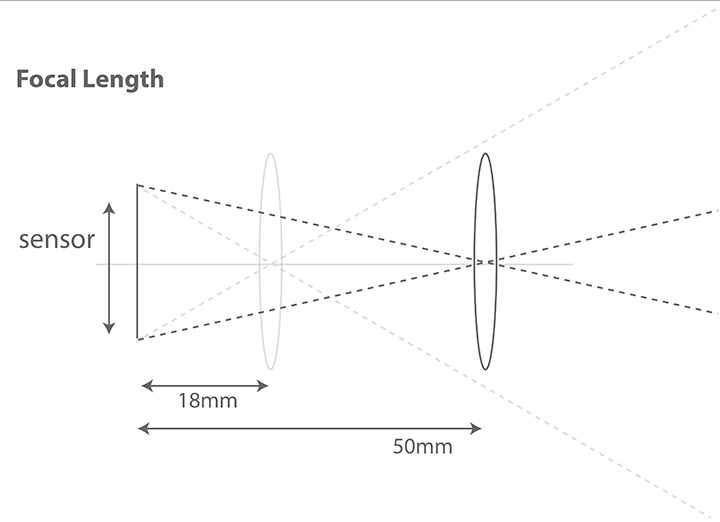
Source: an overseas site (no longer online)
Focal length is defined as the distance (in mm) between the camera sensor and the lens, as in the diagram above. (Strictly speaking, "the lens" is a bit vague here, since a lens is usually made up of several concave and convex elements, but let's just call it the outermost element for convenience.) With a telephoto lens, the sensor and lens are far apart, so a distant object fills the whole image on the sensor, and the field of view you get from the same spot becomes narrower. Because the lens has to sit so far from the sensor, telephoto lenses tend to be huge "bazookas."
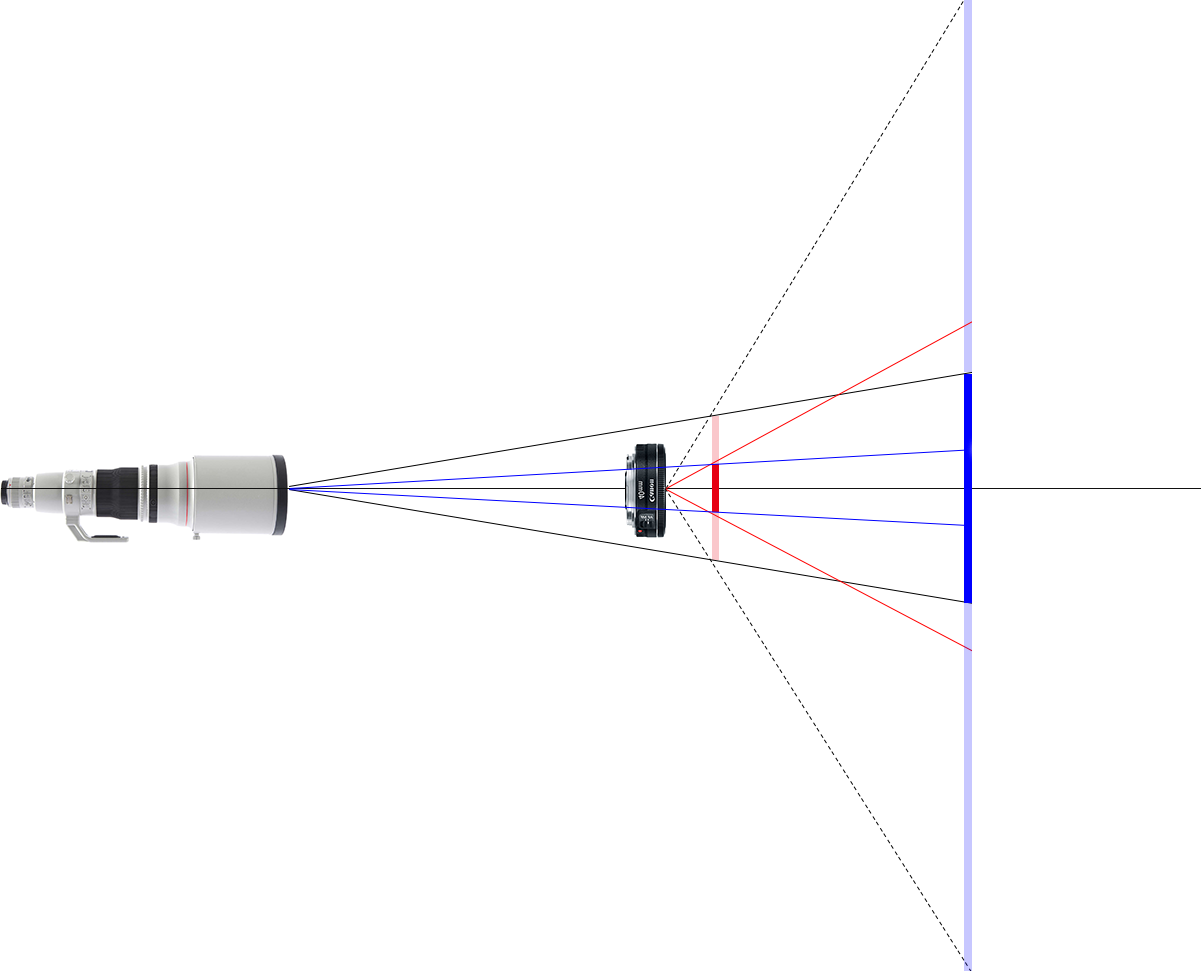
Telephoto lens vs. wide-angle lens
I drew the diagram above myself in Photoshop. The subject is the dark red panel, and the dark blue and light blue panels are the background. The solid dark red and dark blue lines are there to show how large the image ends up on the background. So when you shoot the red panel at the same size with each type of lens, here's what the camera captures:
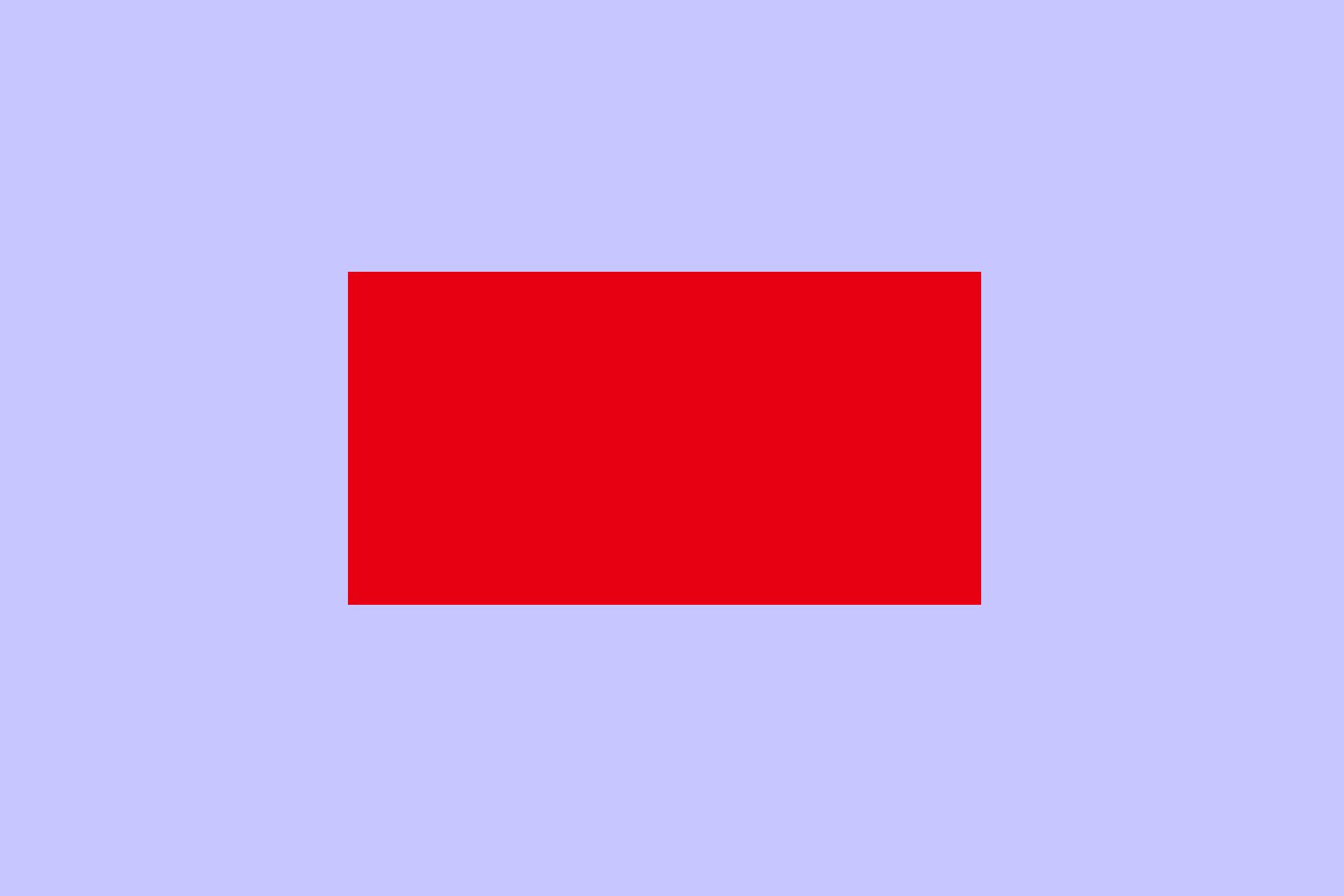
Shot up close with a wide-angle lens
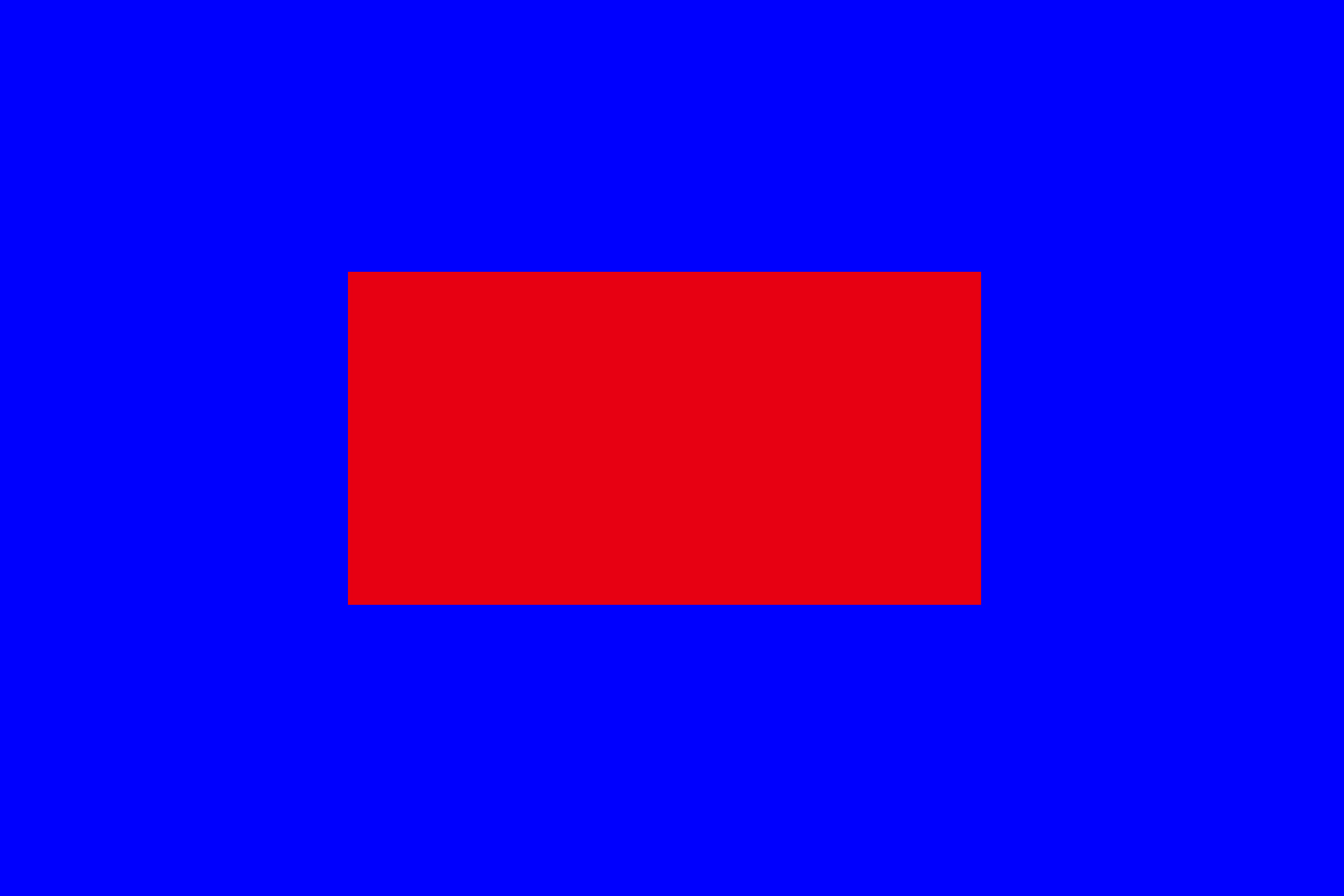
Shot from far away with a telephoto lens
Shoot up close with a short wide-angle lens, and the dark blue background is completely hidden behind the red subject, while the whole wide background around it (light blue) makes it into the frame. Zoom in on the red subject from far away with a telephoto lens, though, and only the dark blue part, a tiny slice of the background, ends up in the photo. Even if your subject takes up the same share of the frame, you can control the background just by choosing the focal length!
Source: an overseas site (no longer online)
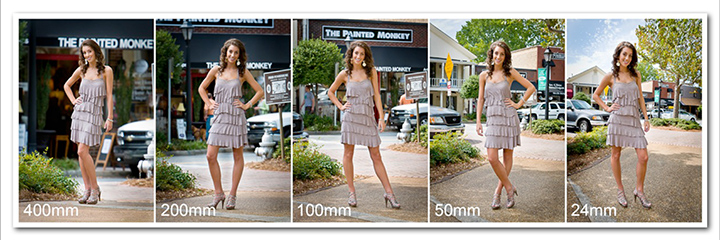
This background compression is exactly why telephoto lenses are said to be better for portraits. As you can see above, when you shoot from far away at 400mm, the background gets compressed and the person really seems to pop. Shoot up close at 24mm, and all sorts of background clutter gets in, so the picture feels busy.
On top of that, zooming in with a telephoto lens also gives you an edge when it comes to background blur. If F is the focal length (mm) and D is the aperture diameter (mm), the f-number is defined as f = F/D. So if a telephoto lens and a wide-angle lens have the same f-number, the telephoto, with its longer focal length F, has no choice but to have a bigger aperture diameter D. Background blur gets stronger as the aperture diameter grows, so even at the same f-number, the telephoto lens comes out ahead. In fact, a telephoto lens usually gives more background blur even when its f-number is much higher. For example, let's compare a white 200mm f/4 L zoom with a 24mm f/1.4 prime. Zoomed all the way in, the white L zoom opens up to D = 200mm/4 = 50mm = 5cm, while the 24mm prime only opens up to D = 24mm/1.4 = 17mm = 1.7cm. So a lens with a lower f-number doesn't automatically give you more background blur.
More in Camera & Lens
See all- Shooting a Hunter x Hunter Killua figure with a Canon 70D and Sigma 30mm f/1.4 Art
- Canon 85mm f/1.8 "Baby Mandu" Lens and Hongdae's Back Alleys at Night, Seoul(2)
- Focal Length and Field of View: Why You Shouldn't Trust Telephoto Lens Photos(1)
- Canon 85mm f/1.8 “Baby Mandu” on a Crop Body: Hands-On Review
- Canon PowerShot SX60 HS: A Zoom Camera Made for Spying?
Comments 1
좋은 정보 잘 보고 배워 갑니다.