Camera Modules and Image Sensors: CCD vs. CMOS
Translated from the Korean original. Read the original →
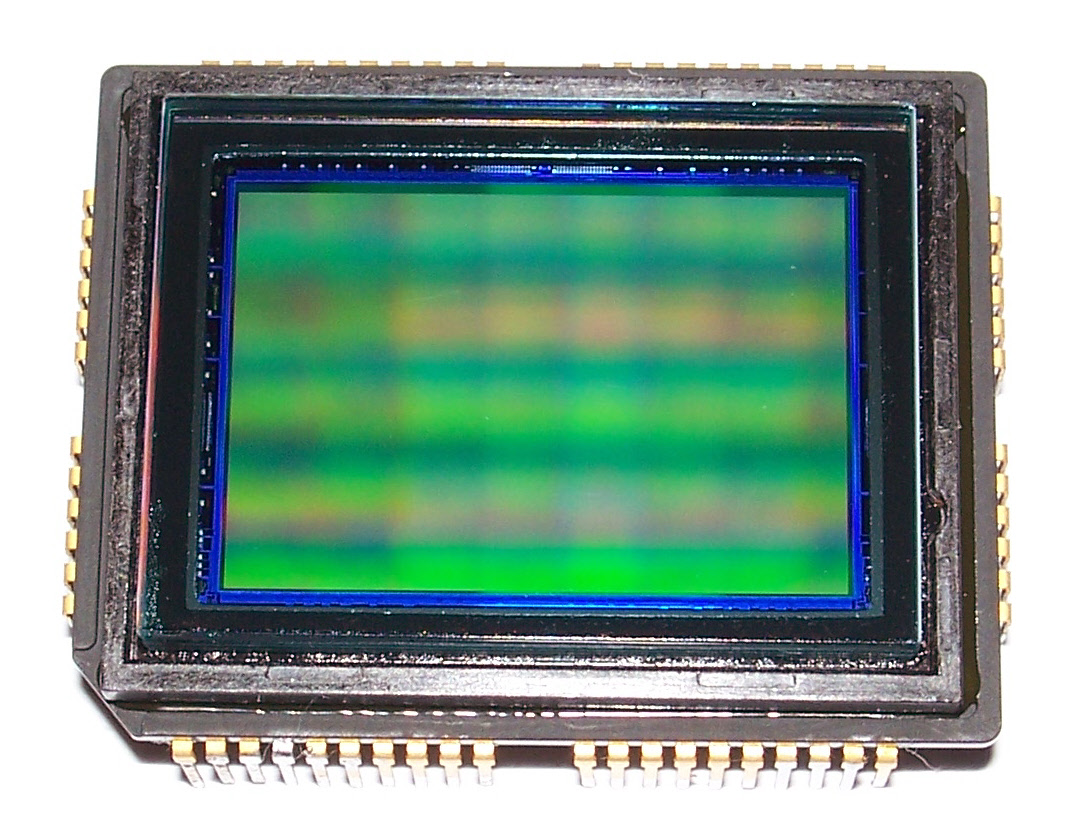
A Sony CCD image sensor
CCD stands for Charge-Coupled Device. It turns an optical signal into an electrical one using the photoelectric effect, the same one you learned about in high school. Light hitting the sensor generates electric charge through the photoelectric effect, and measuring how much charge builds up tells you how strong the light is (for more on the history and principles of CCDs, see here). CCD sensors are good at keeping noise down, which gives them the edge over CMOS in image quality. The downside is that the surrounding circuitry is complicated to build and they're expensive to produce. That's reportedly why Canon used CCDs in only about five of its earliest DSLRs, then poured its money into CMOS research and development and ended up dominating the DSLR market. Sure enough, almost every Canon camera, from the flagship 1D X through the more affordable full-frame 5D, 5Ds and 6D, the crop-sensor 7D, 70D, 60D, 700D, 750D, 760D and 100D, all the way down to the IXUS series, has a camera module built around a CMOS sensor that Canon put a lot of work into developing. Canon has stuck with CMOS so single-mindedly that you don't really hear anyone say CMOS image quality is worse than CCD anymore.
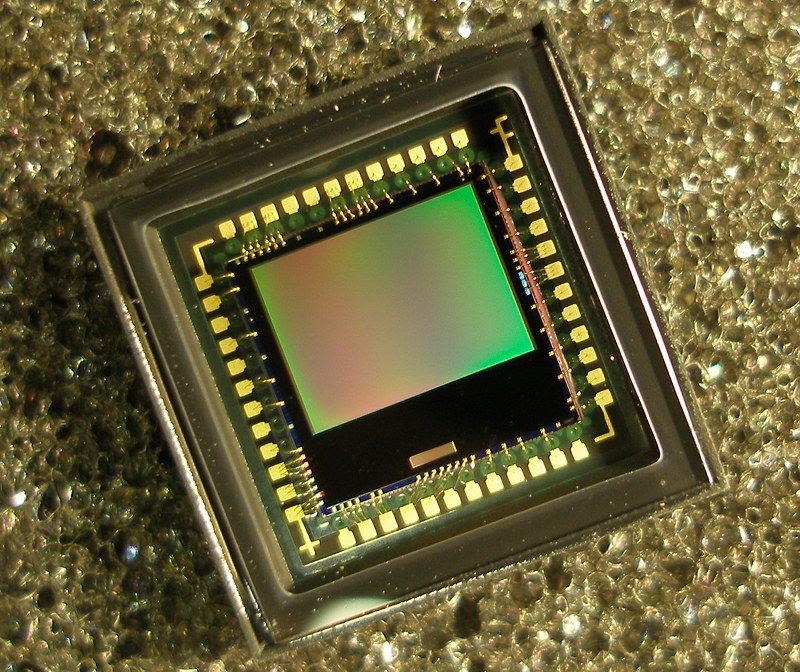
A CMOS image sensor
CMOS stands for Complementary Metal-Oxide-Semiconductor, and its one big weakness is that its image quality falls short of CCD. Lately, though, a lot of research has gone into closing that gap, so the sensors themselves have gotten noticeably better, and the image processing that makes up for noise-related quality loss has come a long way. I've mostly used Canon EOS cameras, starting with the 400D and moving on to the 600D, 650D, 700D, 60D and 70D, and the improvement in noise handling is obvious even when you're just snapping away. One advantage of CMOS is that it's relatively cheap to produce. It also draws less power than CCD, which is good news for battery life. Apparently it uses as little as 1/80 of the power of a CCD sensor... As for the CMOS sensor in the photo above: on a Canon DSLR, if you choose "Sensor cleaning - Clean manually," the mirror flips up and the sensor is left fully exposed, just like in the picture.
Whether it's CCD or CMOS, a bigger sensor can take in more light, so the larger the sensor, the better it handles noise and the better the image quality. Just five years or so ago, phone cameras were really noisy even when there was a decent amount of light. If you take a phone's camera module apart, you'll find an image sensor that's literally about the size of a pea.
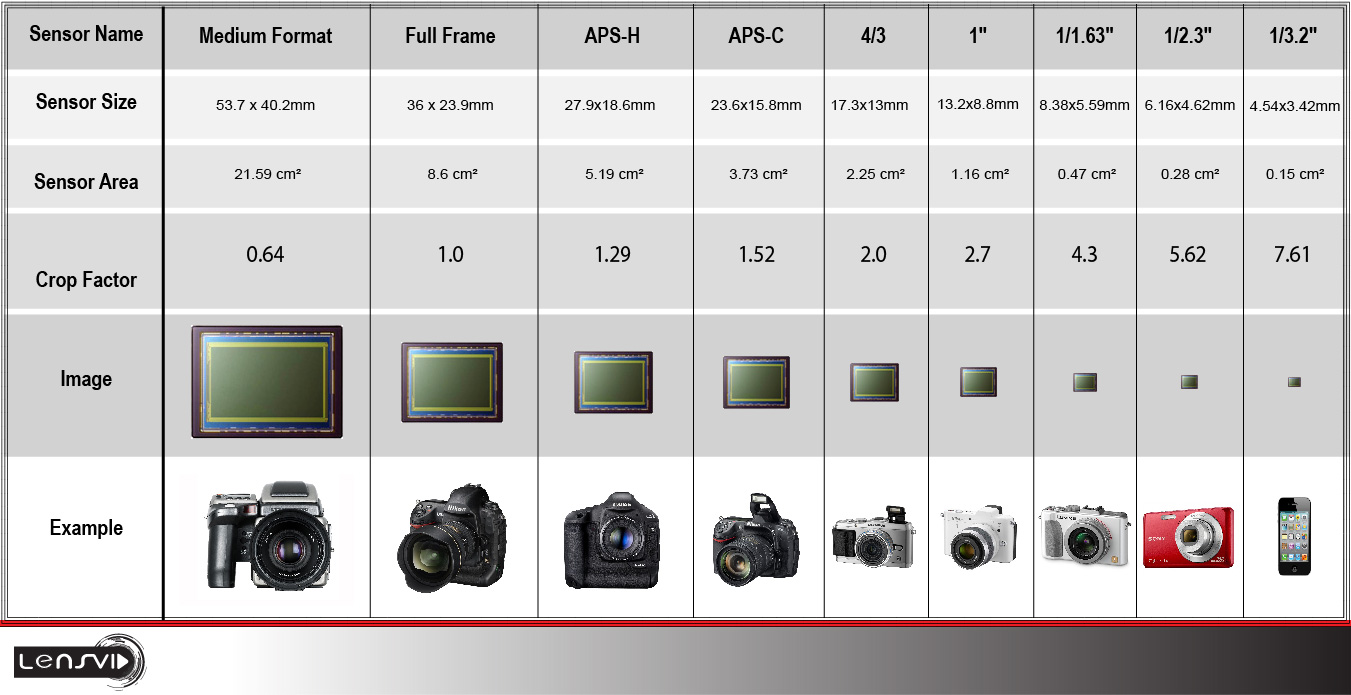
Today's iPhones and other smartphones show almost no noise in daylight (although in my experience the iPhone 5s is pretty weak at handling noise at night), and at one point this even led to rumors that Apple had made the iPhone's image sensor much bigger. Most smartphone image sensors, the iPhone's included, are currently made by Sony. The iPhone 5s sensor did get 15% bigger than the iPhone 5's, but the Galaxy phones and other smartphones of the time had sensors of about the same size... so I think it's fair to call the iPhone's edge a win for its image processing and its overall camera software.
More in Camera & Lens
See all- How to Show EXIF Photo Info on Your Blog (PhotoScape and WordPress)
- Hongdae at Christmas: Year-End Walk with the Canon 85mm f/1.8
- Camera Modules and Image Sensors: CCD vs. CMOS
- Shooting a Hunter x Hunter Killua figure with a Canon 70D and Sigma 30mm f/1.4 Art
- Canon 85mm f/1.8 "Baby Mandu" Lens and Hongdae's Back Alleys at Night, Seoul(2)
Comments 0